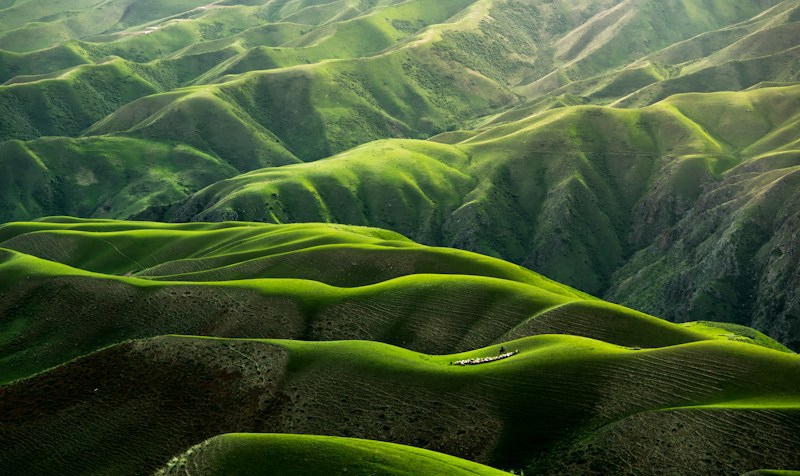
Al-Ahsa Oasis
A UNESCO-listed oasis in eastern Saudi Arabia with more than 2.5 million date palms, fed by springs and canals.
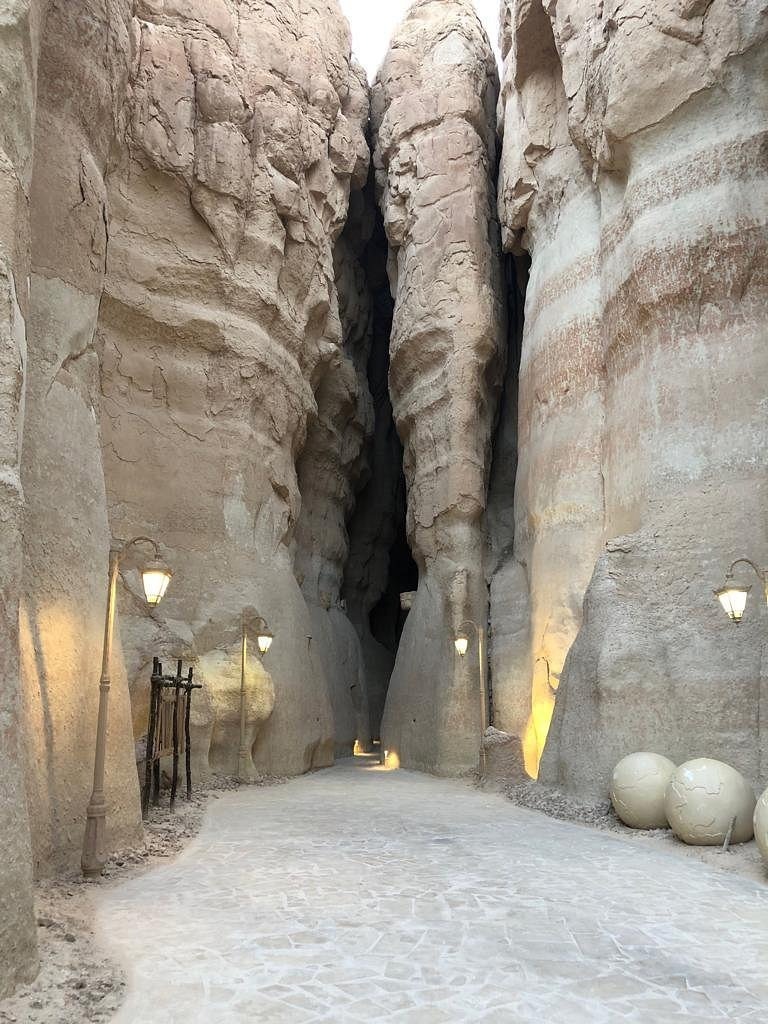
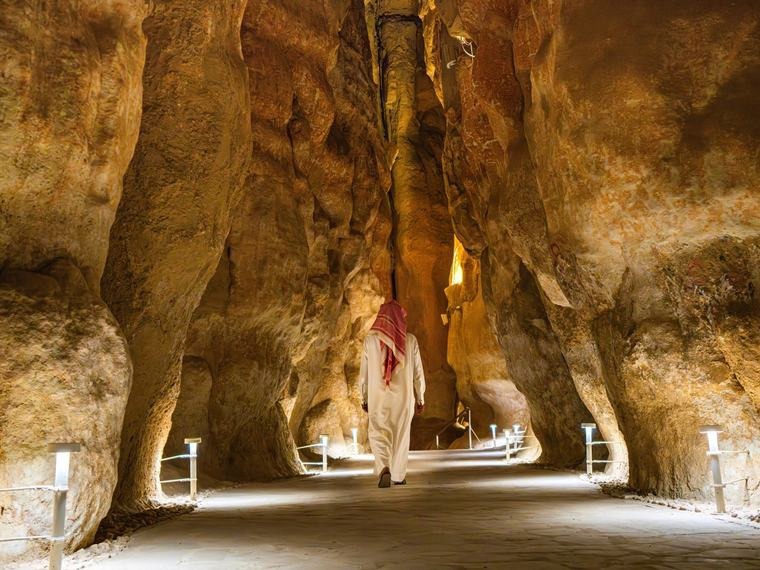
Al-Ahsa Oasis lies in eastern Saudi Arabia, roughly 60 km inland from the Gulf coast. It covers about 85 square kilometres and holds more than 2.5 million date palms, along with canals, gardens, wells, springs, a drainage lake, historic fortresses, mosques and archaeological sites. A large aquifer feeds more than 280 artesian springs, which allow year-round farming in sandy surroundings.
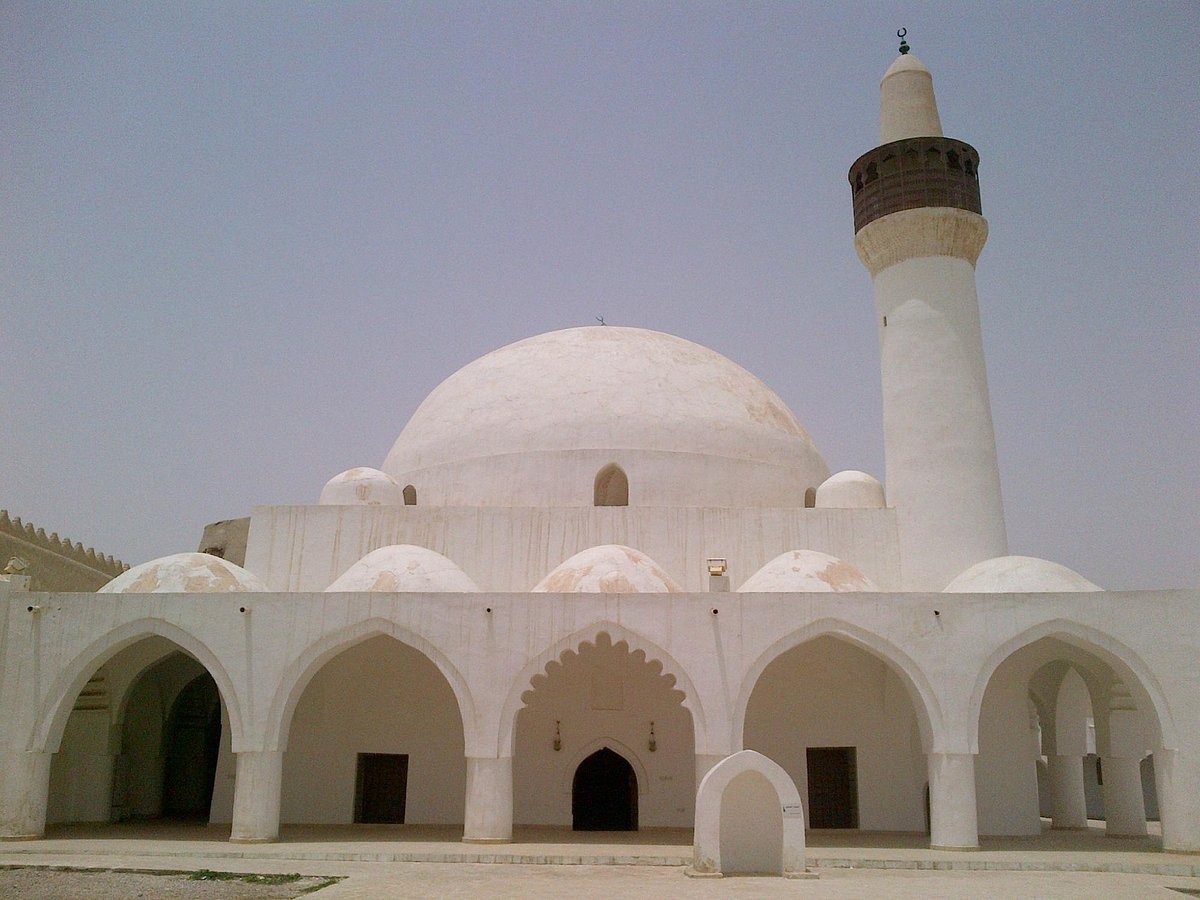
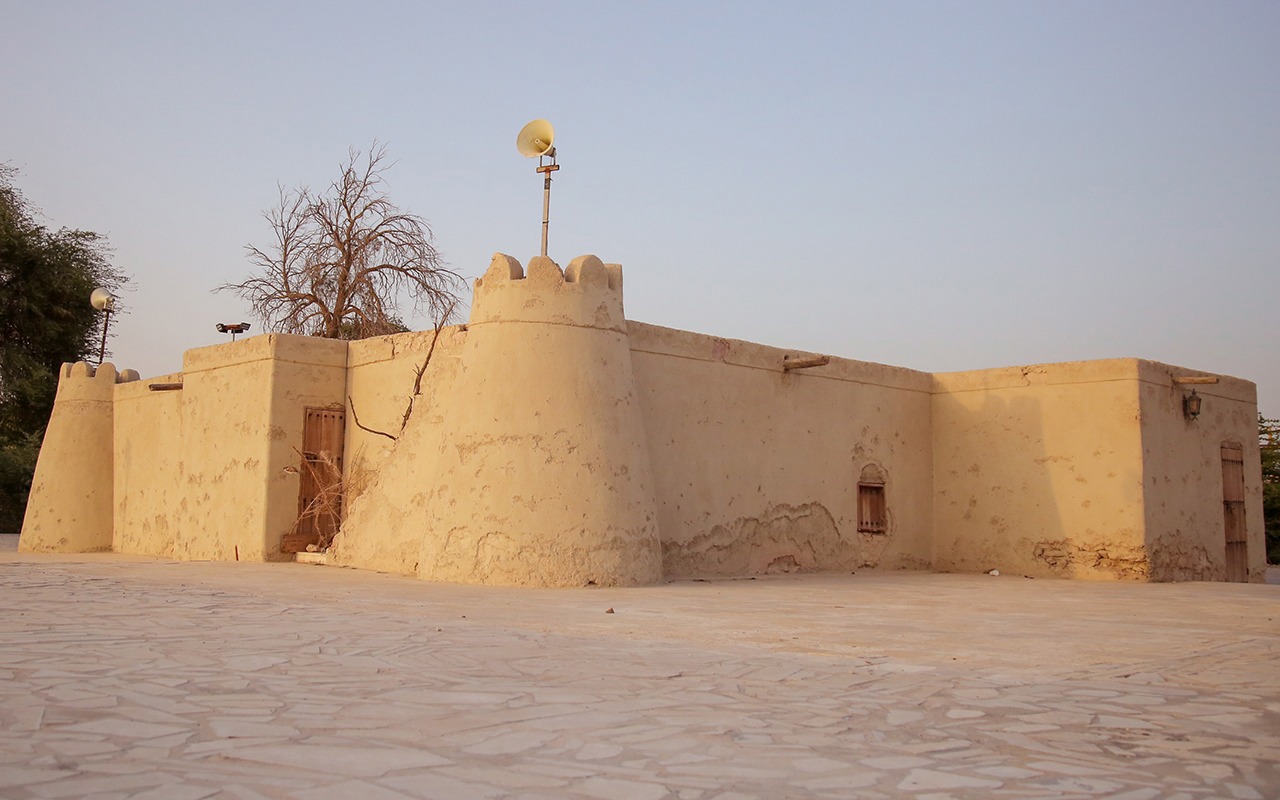
It was inscribed as a World Heritage Site in 2018 as "Al-Ahsa Oasis, an Evolving Cultural Landscape". The listing has twelve components, including the Eastern and Northern Oasis, the Qaysariyah market, Qasr Khuzam, Qasr Sahood, Qasr Ibrahim, the Jawatha archaeological site and mosque, Al-'Oyun village, Ain Qannas and Al-Asfar lake. Ottoman control began in 1550, and Ibn Saud annexed Al-Ahsa in 1913. The oasis includes Hofuf and Al-Mubarraz, two of Saudi Arabia's larger cities.
The name comes from al-hisa, a term for sand that lies over an impermeable layer and holds water. Check access and opening times before you visit.
Q. What makes Al-Ahsa notable?
A. It is often described as the largest oasis in the world, with more than 2.5 million palms.
Q. When did it become a World Heritage Site?
A. In 2018.
Q. Where does the water come from?
A. From a large aquifer feeding more than 280 artesian springs.
Details
- Duration
- 240 min
- Opening Hours
- 06:00 - 20:00
- Best Season
- October – April
- Min. Age
- 0+
25.38, 49.59 Open in Google Maps
Our website is in soft opening, so some locations may be inaccurate.
See it with a local guide
Meet Arabia's Architects
Al-Ahsa Oasis is part of our three-day journey through the Nabataean kingdoms of northwest Arabia, led by certified local guides: Hegra, AlUla Old Town, the rock-cut tombs and more. Tell us your dates and we will plan it with you.
You can also visit Al-Ahsa Oasis on its own, not only as part of this journey: create your own path with just the places you want.