Zubaydah Trail
An Abbasid-era pilgrim road from Kufa to Makkah, named after Zubaydah, wife of Caliph Harun al-Rashid.
The Zubaydah Trail, also called the Kufa pilgrimage route, is one of the main historic routes across the Arabian Peninsula. It is about 1,300 to 1,400 kilometres long from Kufa in Iraq to Makkah, with about four-fifths in Saudi Arabia and one-fifth in Iraq. It was built during the Abbasid Caliphate, between 750 and 1258 CE, and is named after Queen Zubaydah, wife of Caliph Harun al-Rashid, who funded its development after a difficult pilgrimage in 176 AH. It linked Makkah with the Iraqi cities of Kufa and Baghdad. Merchants also used it, and it became a major pilgrimage road after the rise of Islam.
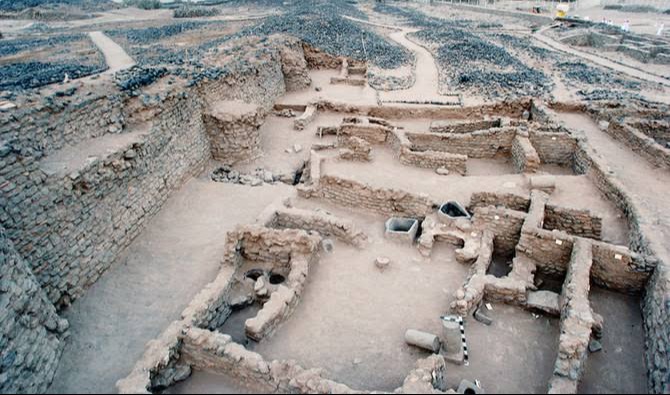
There were 27 main stations, about 50 kilometres apart on average, with 58 smaller rest stops, and features such as paved stretches, wells, pools, dams and road markers. Notable Saudi sites include Fayd, a strategic oasis and administrative centre, Al-Kharabah, with preserved water reservoirs, and Al-Zabalah, a large station with a fortress and deep wells.
In February 2022 the route was added to UNESCO's tentative list as a joint nomination by Saudi Arabia and Iraq, covering 13 sites: nine in Saudi Arabia and four in Iraq (Umm Al-Qurun, Talhat, Sharaf and Al-Aqaba). This is the first step in a longer programme for a network of Islamic pilgrimage routes; the route is not yet inscribed on the World Heritage List. Check access and opening times before you visit individual stations.
Q. Who was the trail named after?
A. Zubaydah, wife of Caliph Harun al-Rashid.
Q. How long is it?
A. About 1,300 to 1,400 km.
Q. Is it a World Heritage Site?
A. Not yet; it is on the tentative list as a joint Saudi and Iraqi nomination.
See it with a local guide
Meet Arabia's Architects
Zubaydah Trail is part of our three-day journey through the Nabataean kingdoms of northwest Arabia, led by certified local guides: Hegra, AlUla Old Town, the rock-cut tombs and more. Tell us your dates and we will plan it with you.
You can also visit Zubaydah Trail on its own, not only as part of this journey: create your own path with just the places you want.