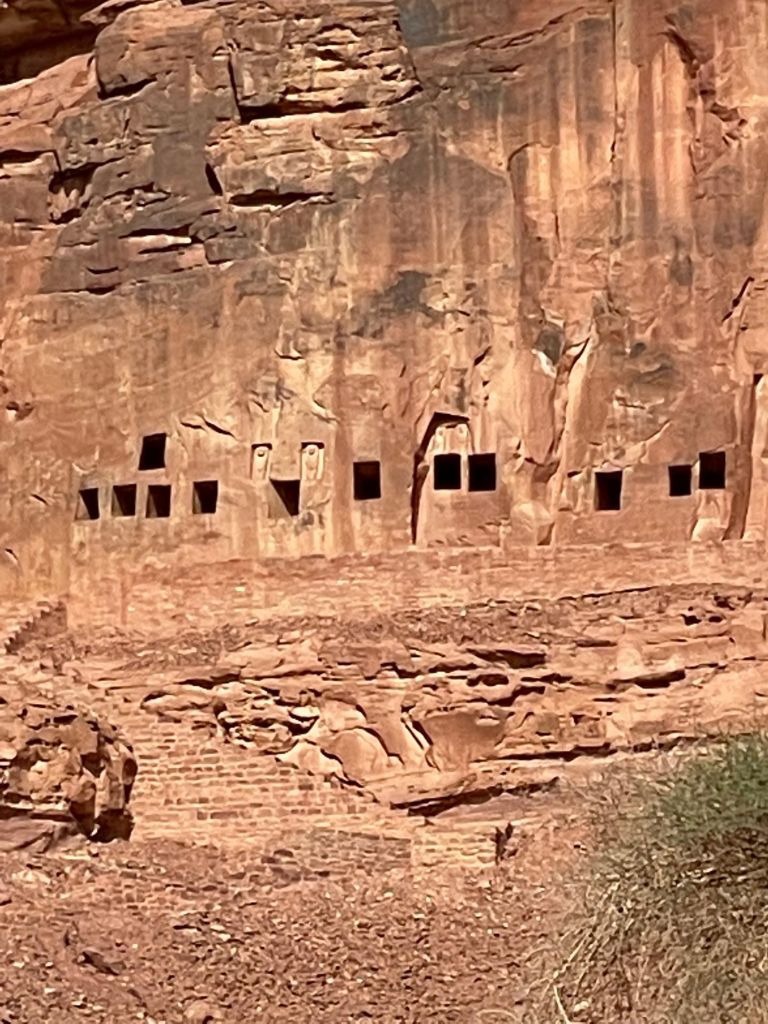
Dadan
The ancient capital of the Dadanite and Lihyanite kingdoms, set in the oasis of AlUla on the Incense Route.
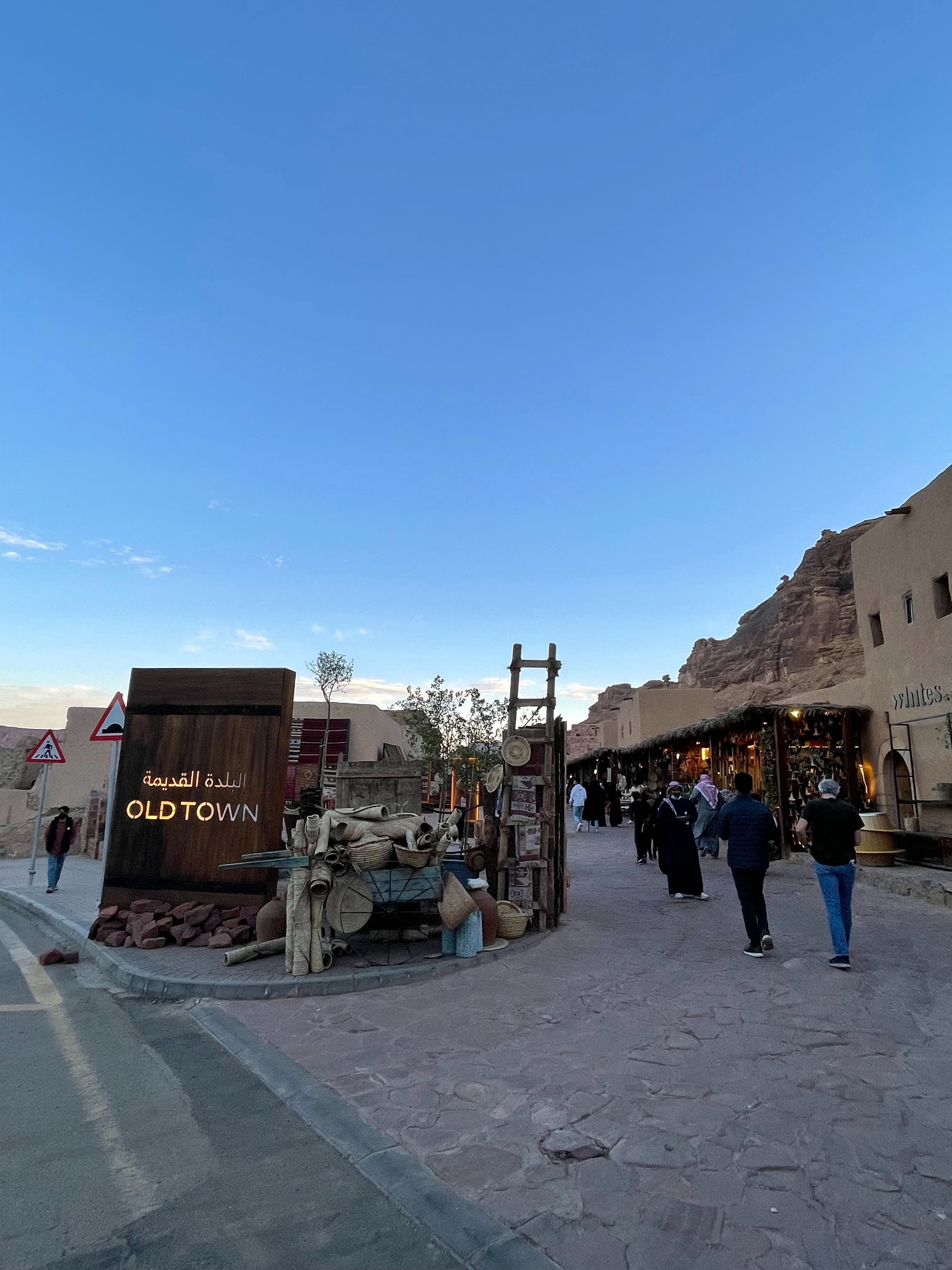
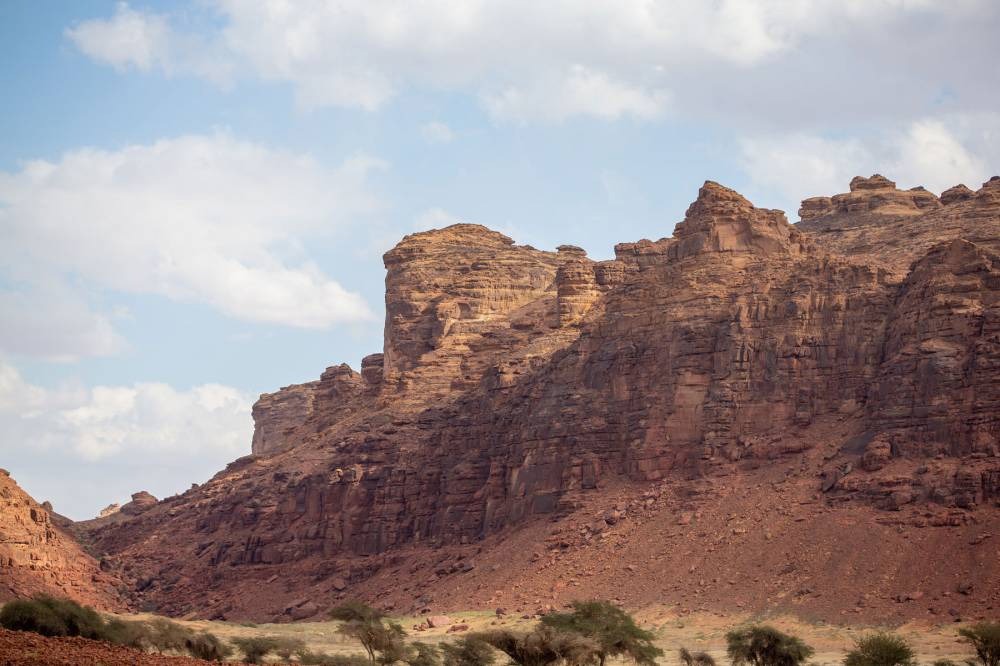
Dadan was the capital of two successive kingdoms in north-west Arabia, first that of the Dadanites and then that of the Lihyanites. Its time as a capital is placed between the late ninth century BC and the early first century BC, with its power growing noticeably from the seventh century BC. Its remains lie in the AlUla area, in the province of Madinah, and form part of the ruins known as Al-Khuraybah.
The city stood on the Incense Route, the long overland trade network of the ancient Arabian Peninsula. Merchants, travellers and envoys passed through, and the oasis grew into a centre of farming and commerce. Pottery and carved stone found here show contact with Egypt and Mesopotamia, which fits the picture of AlUla as a meeting point between older civilisations.
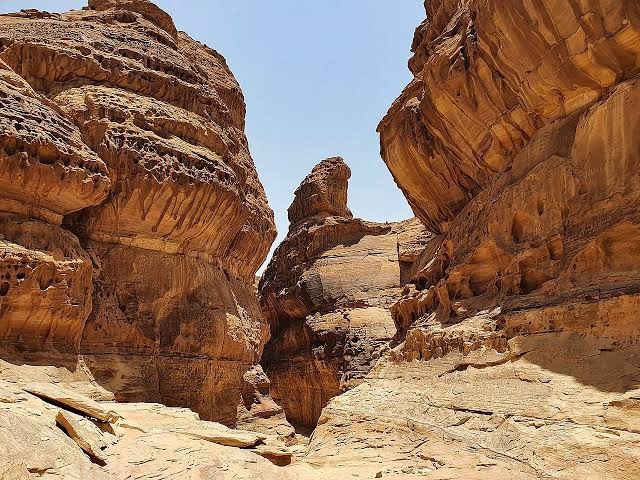
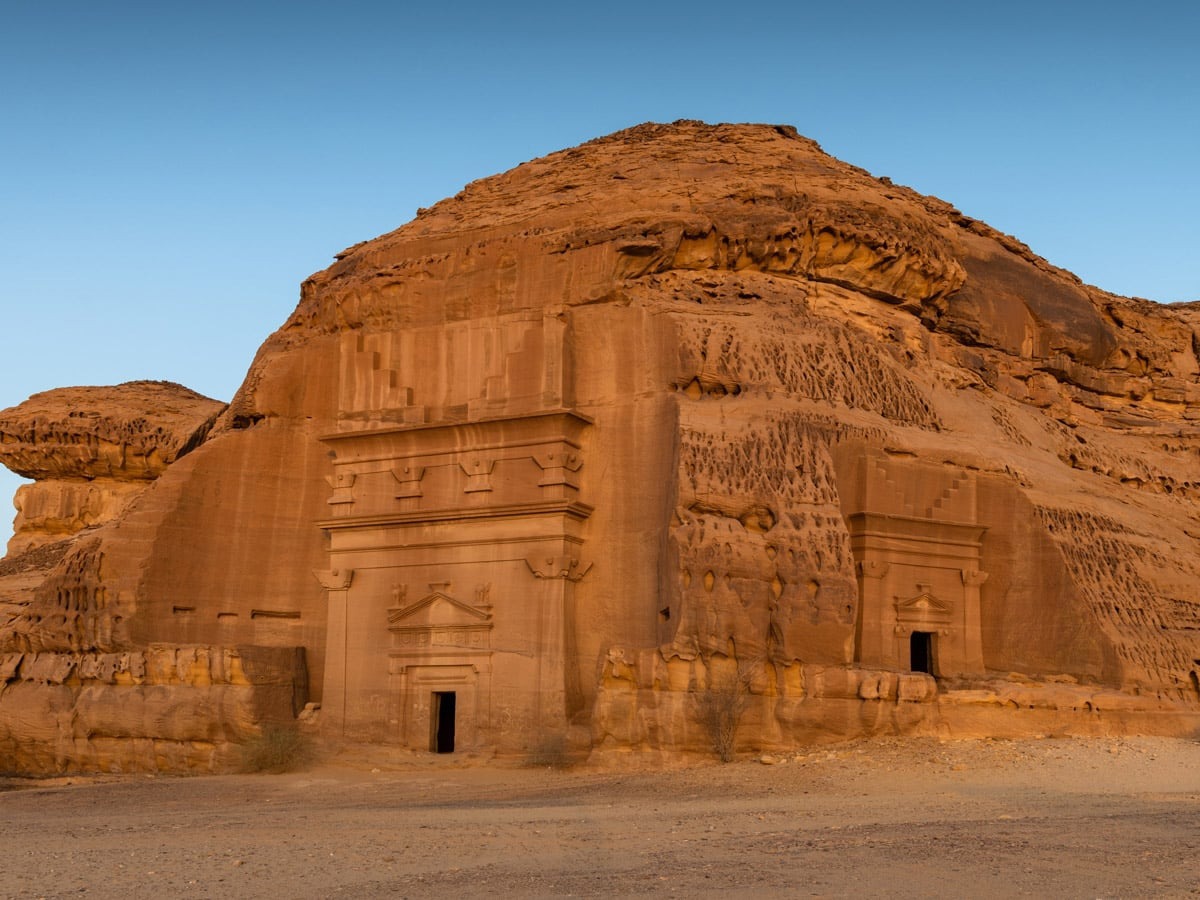
The best-known monuments are the Lion Tombs, tombs cut into the red rock with lions sculpted above their facades. The lions are thought to symbolise power or to act as guardians, and the carving is dated variously from the sixth to the fifth century BC. Minaean texts, from the south of the peninsula, appear on some facades. Nearby is Mahlab Al-Naqah, a circular basin cut into the rock with steps carved down its sides. Rock inscriptions record Lihyanite economic, political, religious and social life, and excavation continues in phases.
Q. Who ruled Dadan?
A. First the Dadanite kingdom, then the Lihyanite kingdom that followed it.
Q. What are the Lion Tombs?
A. Rock-cut tombs with lion carvings above the facades.
Q. Why was Dadan important?
A. It lay on the Incense Route and was a trading and farming centre.
Q. Is excavation still going on?
A. Yes, research continues in phases.
26.6167, 37.9185 Open in Google Maps
Our website is in soft opening, so some locations may be inaccurate.
See it with a local guide
Meet Arabia's Architects
Dadan is part of our three-day journey through the Nabataean kingdoms of northwest Arabia, led by certified local guides: Hegra, AlUla Old Town, the rock-cut tombs and more. Tell us your dates and we will plan it with you.
You can also visit Dadan on its own, not only as part of this journey: create your own path with just the places you want.